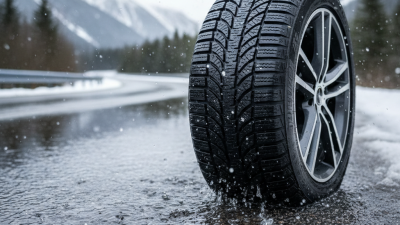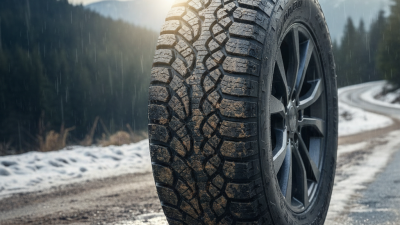
Choosing all weather car tires can simplify year-round driving without pretending that one tire conquers every condition. Unlike conventional all-season tires, all-weather models typically use a more winter-focused tread compound and carry the Three-Peak Mountain Snowflake certification. That mark confirms performance against a regulated severe-snow traction test, according to the U.S. Tire Manufacturers Association and Tire and Rubber Association of Canada. Drivers may notice the difference on a cold morning, when ordinary all-season rubber feels firm and less responsive.
The need is measurable. The U.S. National Highway Traffic Safety Administration has linked tire-related problems to more than 11,000 crashes annually, based on its historical crash analysis. Poor inflation, worn tread, and unsuitable seasonal performance all matter. The American Automobile Association also reports that many drivers operate vehicles with significantly underinflated tires, increasing heat buildup and stopping concerns. All weather car tires cannot correct neglected maintenance. Check pressure monthly.
There is a trade-off.
Independent testing from Consumer Reports and Tire Rack shows that tire performance varies across wet braking, snow traction, ride comfort, and tread life. No model wins every category. An all-weather tire may provide stronger winter confidence than an all-season tire, while producing slightly more road noise or faster wear than a summer-focused design. That compromise deserves honest reflection. For drivers facing light-to-moderate snow, changing temperatures, and limited storage space, the category offers a practical middle ground. However, people in severe mountain climates may still need dedicated winter tires, careful route planning, and professional advice. Expect convenience, not magic.
Why Choose All Weather Car Tires for Every Season?
All-weather car tires are not simply tougher all-season tires. They use rubber compounds that remain flexible in cold temperatures. Their tread patterns also manage rain, light snow, and dry-road heat. Most importantly, a Three-Peak Mountain Snowflake symbol identifies tires meeting a severe-snow traction standard. The test requires at least 110% of the traction delivered by a standardized reference tire, according to the U.S. Tire Manufacturers Association.
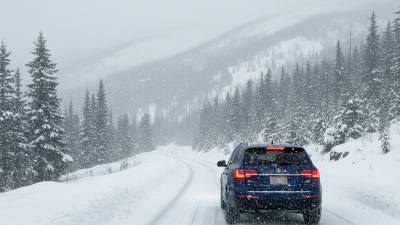
That distinction matters during unpredictable commutes. The Federal Highway Administration reports that weather-related crashes average about 1.2 million annually in the United States. Snow, sleet, or slush affects roughly 24% of those crashes. An all-weather tire can provide more winter confidence than a conventional all-season tire, while avoiding seasonal tire changes in moderate climates.
The compromise is real. On polished ice, even a certified all-weather tire can feel nervous. Deep mountain snow may still demand dedicated winter tires. I would not treat the mountain symbol as a guarantee. It is evidence from a controlled test, not a promise for every road. Check the tire size, load rating, and vehicle handbook before fitting replacements. The National Highway Traffic Safety Administration recommends checking inflation pressure monthly and before long trips. Small pressure losses can quietly reduce grip, especially when temperatures fall.
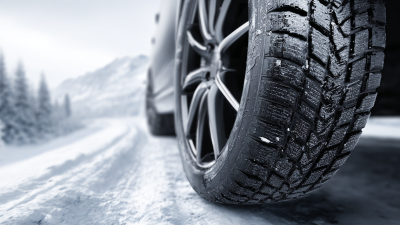
All-weather tires are designed to provide year-round usability while retaining certified winter traction. The 3PMSF symbol represents a standardized snow-traction requirement, while M+S labeling alone does not certify winter performance.
In this chart, 1 means the characteristic is commonly associated with the tire category and 0 means it is generally not. Tire specifications can vary by model and local regulation.
All-weather tires are designed to handle changing seasons, not just mild weather. Their rubber compounds remain more flexible in cold temperatures than traditional all-season tires. Many carry the Three-Peak Mountain Snowflake symbol, showing they passed a standardized snow-traction test.
Across seasons, performance depends on temperature and road texture. In summer rain, all-weather tires usually provide stable handling and predictable wet braking. In autumn, their tread channels help move water and slush away from the contact patch. During light snow, the deeper grooves and biting edges offer more control than standard all-season tires. However, they cannot match dedicated winter tires on deep snow or polished ice. AAA testing reported that winter tires stopped 34% shorter on snow than all-season tires. That gap matters near a crowded intersection.
They are not magic.
Tips: Check the sidewall for the Three-Peak Mountain Snowflake symbol. Measure pressure monthly, especially after cold nights. The U.S. Tire Manufacturers Association notes that tires can lose about 1 psi for every 10°F temperature drop. Rotate them according to the vehicle maker’s schedule. Watch tread wear closely; worn grooves drain water poorly. Personal driving habits matter, too. A careful driver may feel confident, yet sudden braking can expose the tire’s limits. For frequent mountain travel, regular ice, or heavy snowfall, a dedicated winter setup remains the more reliable choice.
All-weather tires are designed for drivers who face changing conditions throughout the year. Their tread compounds remain more flexible in cold temperatures than typical summer tires. Many also carry the Three-Peak Mountain Snowflake symbol, showing they passed standardized severe-snow testing. This makes them useful on wet roads, cold mornings, and occasional light snow. However, they are not a replacement for dedicated winter tires in areas with deep snow or frequent ice.
The key benefit is balanced performance with less seasonal tire changing. A 2023 U.S. Tire Manufacturers Association safety report emphasizes that correct tire maintenance supports handling, braking, and fuel efficiency. The U.S. Department of Energy also reports that properly inflated tires can improve fuel economy by up to 3 percent. That saving may seem small, but it adds up during a long commute. NHTSA has linked tire-related problems to thousands of crashes each year. Grip depends on maintenance, not only tread design.
Tips: Check pressure when tires are cold, ideally once a month. Use the vehicle placard, not the maximum pressure printed on the sidewall. Inspect tread before rainy trips. Uneven wear may reveal poor alignment or neglected rotation. I have found all-weather tires convenient, but convenience can encourage careless checks. That is the weak point. They offer compromise, not magic. In severe winter climates, a professional tire assessment remains the safer choice.
| Evaluation Dimension | All-Weather Tire Characteristics | Practical Benefit | Important Consideration |
|---|---|---|---|
| Seasonal Coverage | Designed for use in spring, summer, autumn, and moderate winter conditions. | One tire set can cover most of the year, reducing the need for seasonal changes. | Performance depends on local climate, road conditions, and driving habits. |
| Cold-Weather Flexibility | Uses a tread compound and pattern intended to remain more flexible in colder temperatures than many conventional all-season tires. | Can provide more consistent traction during cool, wet, or lightly snowy conditions. | It does not provide the same cold-weather performance as a dedicated winter tire in severe conditions. |
| Snow Traction | Many all-weather tires are designed with deeper grooves, biting edges, and a severe-snow-service symbol where applicable. | Offers improved control over light or moderate snow compared with standard all-season designs. | Deep snow, packed ice, and prolonged sub-freezing conditions may require dedicated winter tires. |
| Wet-Road Performance | Circumferential grooves and lateral channels help move water away from the contact patch. | Helps maintain grip and reduce the risk of hydroplaning when tires have adequate tread depth and correct inflation. | No tire can eliminate hydroplaning; speed, standing water, tread condition, and inflation remain important. |
| Dry-Road Handling | Provides balanced steering response for normal highway and urban driving. | Suitable for everyday commuting and mixed road surfaces without changing tire sets. | A performance-focused summer tire may offer sharper handling in warm, dry conditions. |
| Ride Comfort | Generally tuned to balance handling, cushioning, and year-round usability. | Can deliver a comfortable ride over common urban roads and highways. | Comfort varies by tire size, sidewall height, vehicle suspension, load, and road surface. |
| Convenience | Uses one tire configuration throughout the year in suitable climates. | Reduces seasonal appointments, storage requirements, and repeated mounting and balancing. | Tire rotations, inspections, and inflation checks are still necessary. |
| Operating Cost | May reduce the need to purchase and store separate summer and winter tire sets. | Potentially lowers seasonal service and storage expenses over the ownership period. | Total cost depends on purchase price, mileage, road conditions, maintenance, and replacement timing. |
| Fuel Efficiency | Rolling resistance varies by tire design, size, inflation, vehicle weight, and driving conditions. | Properly inflated tires can support efficient vehicle operation and even tread wear. | A tire type alone does not guarantee lower fuel consumption. |
| Tread Life | Built for a compromise between warm-weather durability and cold-weather traction. | Can provide practical year-round mileage when properly maintained and used within its intended conditions. | Alignment problems, underinflation, overloading, aggressive driving, and irregular rotation can accelerate wear. |
| Best Climate Fit | Well suited to regions with variable weather, occasional snow, and generally moderate winter conditions. | Provides a practical compromise for drivers who encounter several seasons but limited severe winter weather. | Drivers in areas with frequent heavy snow or ice should evaluate dedicated winter tires. |
| Safety Requirements | Requires correct size, load index, speed rating, and compatibility with the vehicle. | Correct specifications help maintain steering, braking, stability, and load-carrying performance. | Always follow the vehicle manufacturer’s specifications and local tire regulations. |
| Overall Trade-Off | Balances dry-road handling, wet grip, cold-weather usability, and light-snow traction in one design. | A convenient choice for drivers who prioritize versatility and simplified maintenance. | Versatility involves compromises; specialized summer or winter tires may outperform it in extreme conditions. |
Note: Actual performance varies by tire model, vehicle, tire condition, inflation pressure, road surface, temperature, and driving behavior.
Choosing all-weather car tires can simplify driving through changing seasons, but they are not a universal replacement for every tire type. Their tread combines features from summer and winter designs. They remain flexible in cold weather and usually carry the Three-Peak Mountain Snowflake symbol for severe-snow performance.
Compared with summer tires, all-weather tires offer better grip on frosty roads and light snow. However, summer tires usually respond faster on hot, dry pavement. Their shorter braking feel can matter during sudden traffic stops.
Compared with winter tires, all-weather options are quieter and more stable in warm weather. Winter tires still provide stronger traction on deep snow, packed ice, and temperatures below freezing. One compromise remains. No tire performs perfectly everywhere.
Tips: Check your vehicle manual before choosing a tire size. Inspect tread depth before each major season. On a mixed commute, watch for wheel spin when leaving a snowy driveway. If your route includes mountain roads or frequent heavy snow, dedicated winter tires may be the safer choice. I would also recheck pressure after sharp temperature drops; small pressure changes can affect steering feel. Some drivers expect all-weather tires to solve every seasonal problem, but that expectation needs reconsidering.աժողով
Why Choose All Weather Car Tires for Every Season?
Selecting the right all-weather tires starts with your climate, driving habits, and vehicle specifications. Unlike ordinary all-season tires, all-weather tires usually carry the Three-Peak Mountain Snowflake symbol. This indicates tested performance in severe snow conditions. Still, they are not identical to dedicated winter tires. NHTSA’s TireWise guidance connects tire problems with approximately 11,000 crashes annually in the United States. Tire choice deserves careful attention.
Check your owner’s manual before shopping. Match the original tire size, load index, and speed rating. Then examine the tread pattern. Deep grooves can move rain away from the contact patch, while flexible rubber helps in cold weather. EPA’s fueleconomy.gov reports that correct tire inflation can improve fuel economy by up to 3 percent. Check pressure when tires are cold, not after a long highway drive. A small mistake matters.
Tips: Measure tread depth with a gauge. Inspect sidewalls for cracks or bulges. Replace tires in pairs on the same axle. Confirm the 3PMSF symbol if snow is common. Ask a qualified technician to check alignment and suspension. I would not trust appearance alone. A tire can look healthy but perform poorly on wet pavement. Severe mountain conditions may still require dedicated winter tires, which is an inconvenient but important compromise.