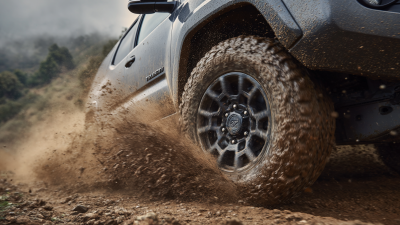
How Snow Rated All Season Tires Enhance Safety and Performance in Extreme Winter Conditions
As winter weather becomes increasingly unpredictable, the demand for
reliable and effective tire options has surged.
In light of this, snow rated all season tires have emerged
as a crucial solution for drivers seeking enhanced safety and performance in
extreme winter conditions. According to the Tire Industry Association, vehicles equipped
with snow rated all season tires can maintain traction and control even on icy and
snow-covered roads, significantly reducing the risk of accidents. Furthermore, a study
by Consumer Reports reveals that vehicles fitted with appropriate tires can
outperform those on standard tires by as much as 30%
during adverse weather conditions. This underscores the importance of selecting the right tire
for winter driving, particularly as the National Highway Traffic Safety Administration states
that more than 50% of winter accidents are attributed
to inadequate tire performance. By exploring the benefits and technology behind snow rated
all season tires, drivers can make informed choices to ensure their safety and optimize
vehicle performance when it matters most.
The Mechanisms Behind All Season Tires in Winter Weather Performance
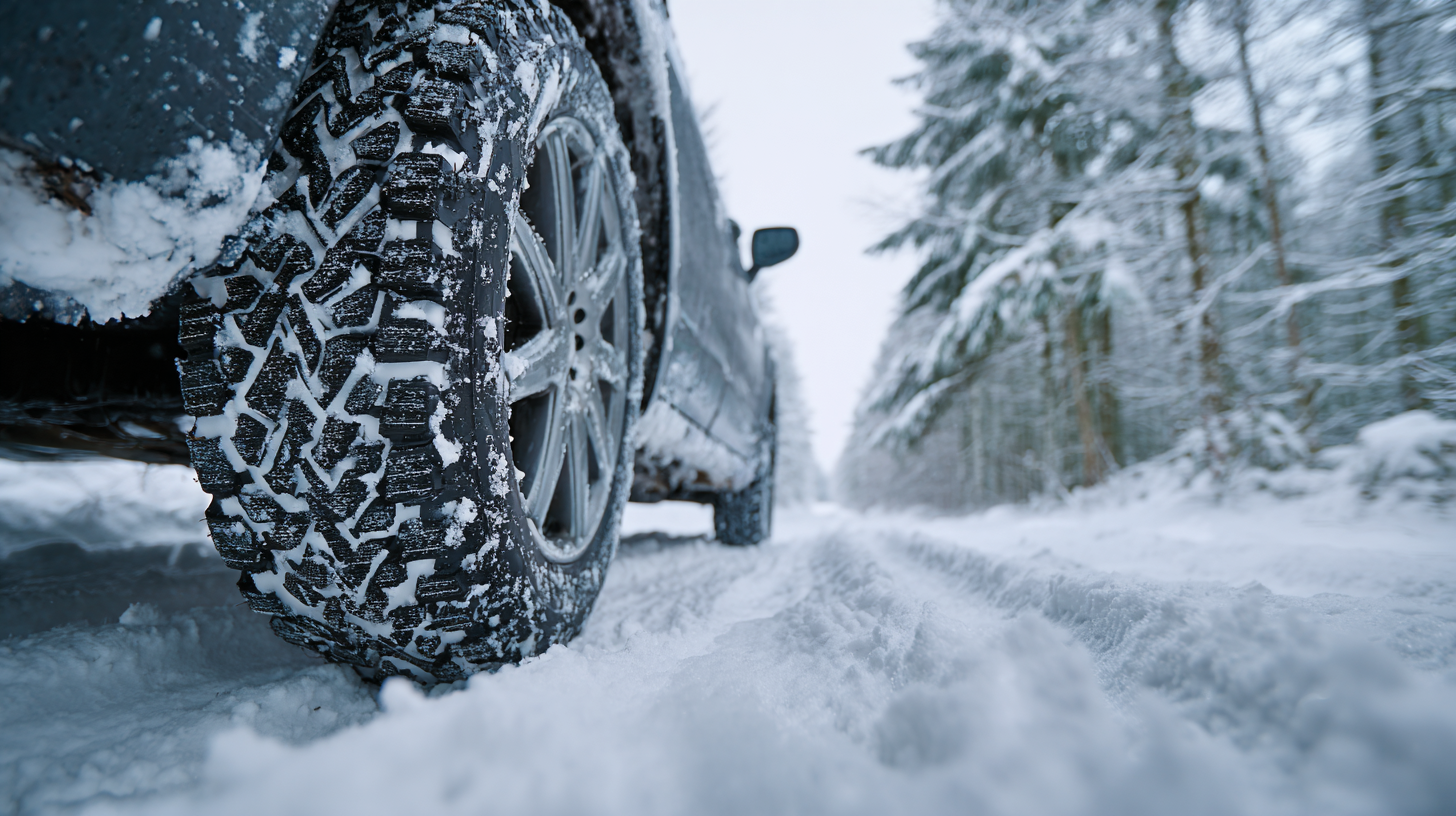
All-season tires are engineered to provide versatile performance across various weather conditions, but their capabilities in extreme winter situations warrant closer examination. The mechanisms that enhance their performance during snowy months include advanced rubber compounds and tread patterns designed to maintain flexibility and grip as temperatures drop. These attributes allow all-season tires to perform adequately on icy and snowy terrain, contrasting with summer tires that can harden and lose traction under cold conditions.
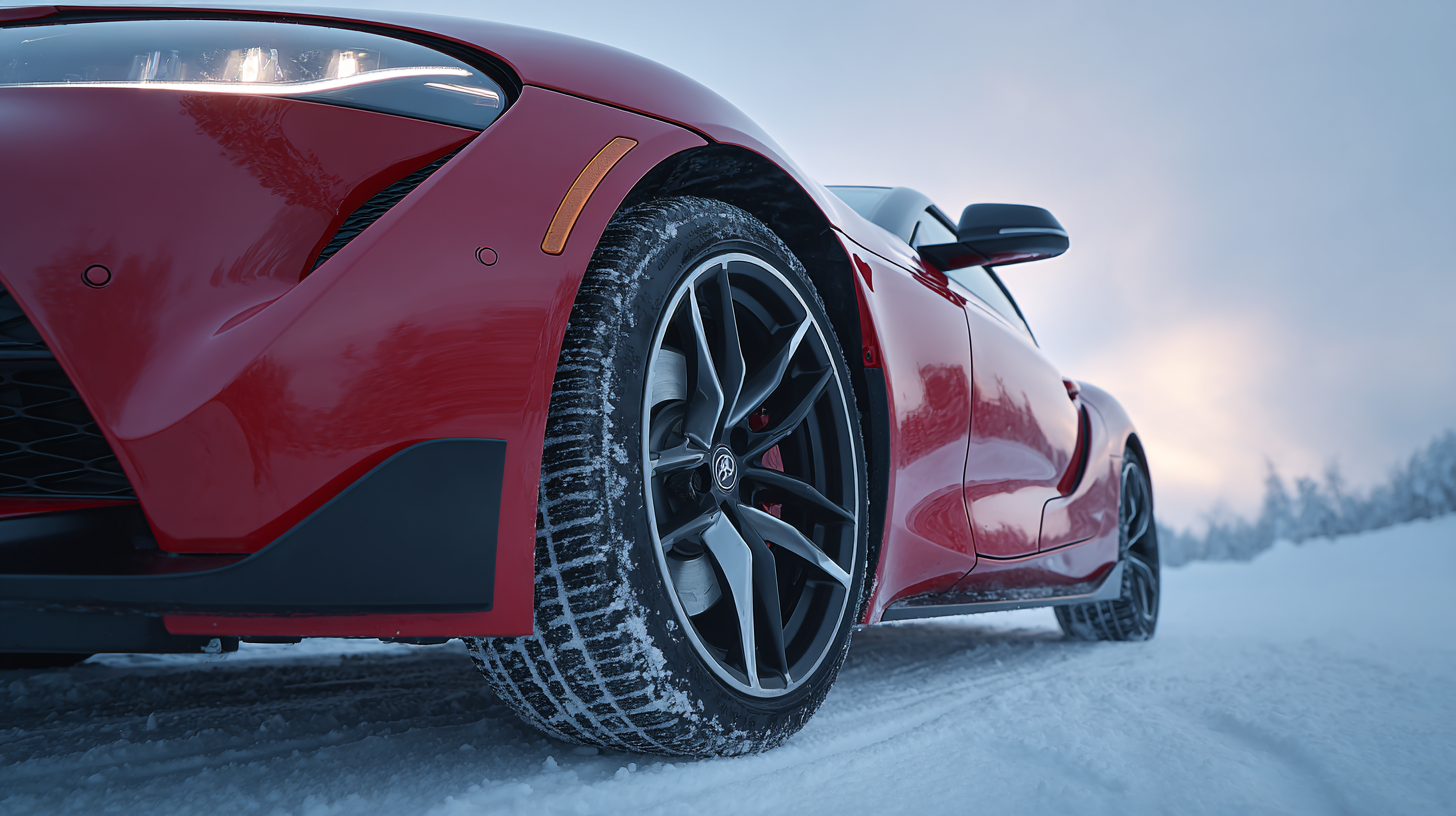
To maximize the effectiveness of all-season tires in winter weather, consider the following tips:
Firstly, ensure your tires have adequate tread depth to optimize grip. A depth of at least 5/32 inches is recommended for handling winter conditions.
Secondly, regularly check the tire pressure as cold temperatures can cause fluctuations, leading to reduced performance and safety.
Lastly, always be attentive to local weather conditions and adjust your driving behavior accordingly; slower speeds and increased following distances can make a significant difference in maintaining control on slick surfaces.
Key Features of All Season Tires That Improve Traction on Snow and Ice
All-season tires are designed to provide reliable performance in a variety of weather conditions, including snowy and icy roads. One of the key features that enhance their traction is the advanced tread design, which incorporates multiple grooves and sipes. These grooves help to channel snow and water away from the tire surface, reducing the risk of hydroplaning while improving grip on slick surfaces. The unique pattern allows for maximized contact with the ground, enabling better handling and stability in winter conditions.
Another important characteristic is the special rubber compounds used in the construction of all-season tires. Unlike summer tires that can harden in cold temperatures, these compounds remain flexible, providing better adhesion on cold, icy roads. Some all-season tires also feature a studdable option, which allows for additional traction in extreme winter weather. By combining these elements, all-season tires can significantly enhance both safety and performance, making them a practical choice for drivers who face varying winter conditions.
Improved Traction of All Season Tires on Snow and Ice
This bar chart illustrates the traction scores of different types of tires under winter conditions. All Season Tires, while not as effective as Winter Tires, provide a significant advantage over Summer Tires in snow and ice, improving overall safety and performance during extreme winter weather.
Safety Benefits of All Season Tires in Extreme Cold Conditions
All-season tires are engineered to provide reliable performance in a variety of conditions, making them a popular choice among drivers who face extreme cold. According to a report by Tire Rack, while dedicated winter tires outperform all-season tires in snowy conditions, the latter still offer significant safety benefits during mild winter weather. This includes enhanced grip at lower temperatures, as all-season tires contain specific rubber compounds that remain flexible even when the mercury dips, allowing for improved traction on icy surfaces.
Furthermore, a study conducted by the Rubber Manufacturers Association indicated that vehicles equipped with all-season tires had a 10% lower accident rate during winter months compared to those using summer tires. The all-season tread patterns are designed to channel snow and slush away from the tire surface, reducing the likelihood of hydroplaning. In areas where temperatures frequently drop below freezing but heavy snow accumulation is less frequent, all-season tires can provide drivers with the balance of safety and versatility needed to navigate slippery roads confidently.
How Snow Rated All Season Tires Enhance Safety and Performance in Extreme Winter Conditions
| Feature |
All Season Tires |
Winter Tires |
| Tread Design |
Moderate grooves for diverse conditions |
Aggressive tread patterns for snow and ice |
| Temperature Performance |
Effective in temperatures above freezing |
Optimized for cold weather performance |
| Traction |
Good traction on wet and dry roads |
Superior traction on snow and ice |
| Longevity |
Moderate lifespan, designed for year-round use |
Shorter lifespan, specific to winter conditions |
| Cost |
Generally lower than dedicated winter tires |
Higher due to specialized performance |
| Versatility |
Suitable for various weather conditions |
Best for severe winter weather only |
Comparative Analysis: All Season Tires vs. Winter Tires in Harsh Environments
In harsh winter environments, the choice between all-season tires and winter tires becomes crucial for maintaining safety and performance. All-season tires are designed to offer a balance of capabilities, providing decent traction in moderate winter conditions while still being suitable for warmer months. However, their tread designs and rubber compounds are typically not optimized for extreme low temperatures and icy surfaces, which can lead to compromised handling and longer stopping distances.
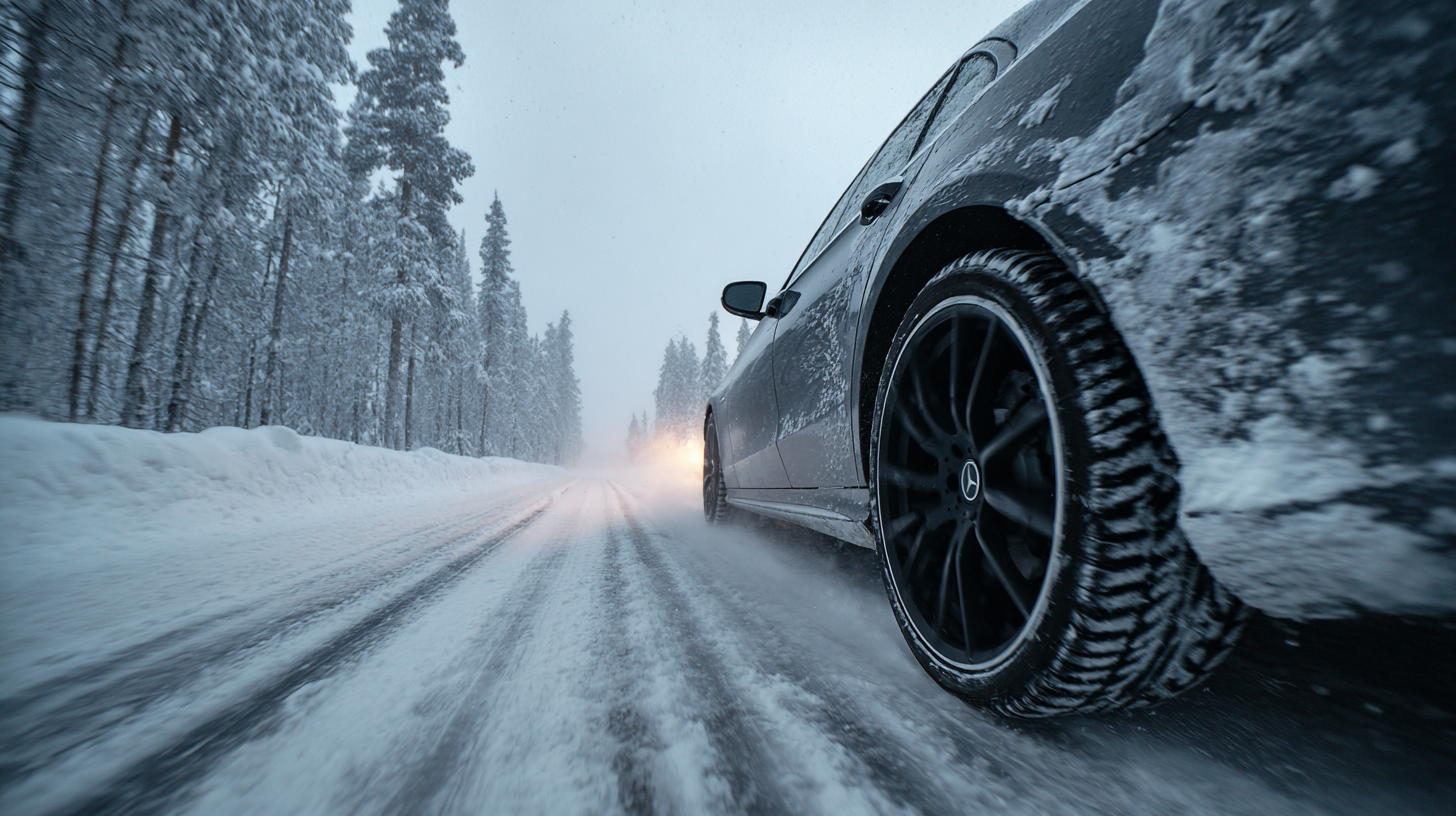
On the other hand, winter tires excel in severe winter weather due to their specialized rubber compounds and aggressive tread patterns that enhance grip on snow and ice. Their deeper treads and softer materials remain pliable in freezing conditions, allowing them to conform better to the road surface. This results in significantly improved acceleration, cornering, and braking performance compared to all-season alternatives. In comparison tests, winter tires consistently outperform all-season tires in metrics such as stopping distances on icy roads, illustrating the importance of selecting the right tire type for extreme winter driving.
How Proper Maintenance Enhances the Efficacy of All Season Tires in Winter Weather
Proper maintenance of all-season tires
is crucial for ensuring their performance and safety during winter conditions. Regular checks, including monitoring tire pressure, tread depth, and alignment, can significantly enhance the tires' ability to handle slick and icy roads.
According to the Tire Industry Association,
maintaining optimal tire pressure can improve fuel efficiency by 0.6% for every 1 psi drop in pressure, which is essential in extreme winter climates where temperatures can cause fluctuations in pressure.
Additionally, the
National Highway Traffic Safety Administration emphasizes that the
legal minimum tread depth for tires is 2/32 of an inch, but for winter conditions, a tread depth of at least
4/32 of an inch is recommended. This depth allows for better traction on snow and ice, enhancing overall vehicle control.
Routine tire rotations and alignments further distribute wear evenly, thus prolonging tire life and ensuring that the vehicle performs optimally.
Regular maintenance not only ensures efficacy but also supports the safety of drivers on wintery roads, reducing the risk of accidents during adverse weather.