The Essential Guide to Tire Inspection for Safe Driving Every Car Owner Should Know
Tire inspection is a crucial aspect of vehicle maintenance that directly impacts driving safety and performance. According to the National Highway Traffic Safety Administration (NHTSA), improper tire maintenance is a significant factor in more than 300,000 accidents annually in the United States alone. Ensuring that tires are adequately inspected not only helps prevent blowouts and accidents but also enhances fuel efficiency, with properly inflated tires improving gas mileage by up to 3.3%.
 Moreover, a recent study by the Federal Highway Administration highlights that roughly 30% of all vehicles on the road have at least one under-inflated tire, which can lead to compromised handling and stability. Therefore, understanding the best practices for tire inspection can keep drivers safe and extend the life of their tires, making it a vital knowledge area for every car owner.
The Importance of Regular Tire Inspections for Vehicle Safety
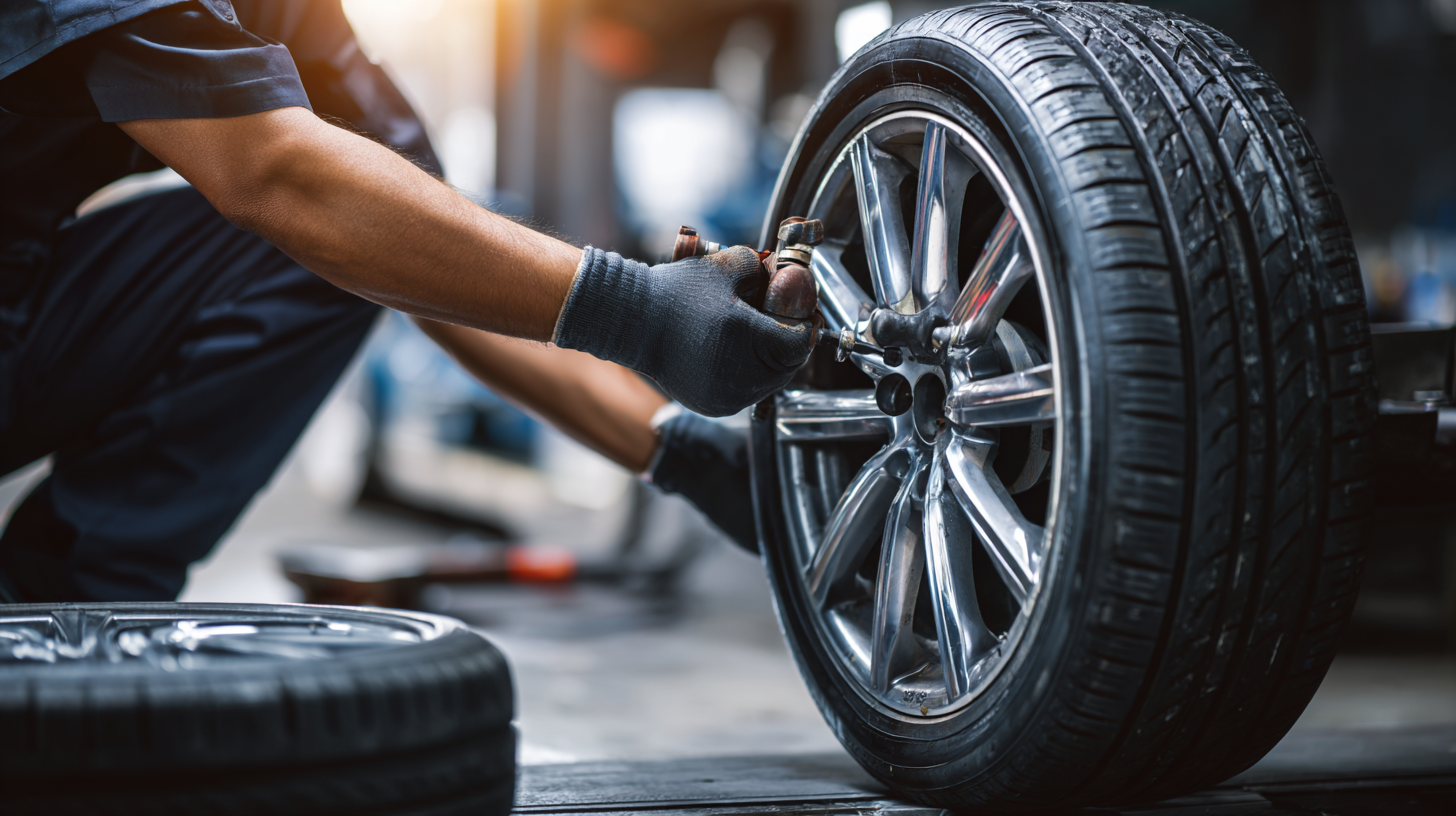 Regular tire inspections are paramount for ensuring vehicle safety. According to the National Highway Traffic Safety Administration (NHTSA), up to 30% of vehicles on the road have at least one under-inflated tire, significantly increasing the risk of blowouts and accidents. Properly maintained tires enhance not only safety but also fuel efficiency, as improving tire pressure by just 1 PSI can increase fuel efficiency by 3% over time.
To maintain your tires effectively, it is essential to conduct regular checks. Look for any visible signs of wear, such as uneven tread depth or cracks in the sidewall. The tread on your tires should have at least 2/32 of an inch for safe driving. Consider using the penny test: insert a penny into the tread with Lincoln's head facing down; if you can see the top of his head, it’s time for new tires.
Another critical aspect of tire safety is proper inflation. Under-inflated tires can decrease performance and increase stopping distance. It’s recommended to check tire pressure at least once a month and before long trips. Remember, ambient temperature can affect tire pressure; for every 10°F decrease in temperature, tire pressure can drop by about 1 PSI. Keeping your tires properly inflated and regularly inspected can significantly reduce the risk of accidents and improve the overall performance of your vehicle.
Key Indicators of Tire Wear and Tread Depth Measurement Techniques
Tire maintenance is crucial for safe driving, and understanding the key indicators of tire wear can significantly impact vehicle performance. According to the National Highway Traffic Safety Administration (NHTSA), nearly 30% of all tire-related crashes are a result of under-inflated tires, a critical issue tied to tire wear. Regularly inspecting your tires for signs of wear is essential. Key indicators include visible tread wear, sidewall damage, and irregular wear patterns. A simple visual assessment can help identify these issues, ensuring that any potential hazards are addressed before they lead to dangerous driving conditions.
Tread depth measurement techniques are vital for assessing tire health. It is recommended to check the tread depth regularly, using a tread depth gauge or the penny test, where a penny is inserted into the tread grooves. If you can see the top of Lincoln's head, it indicates that your tires are worn and need replacing. The legal minimum tread depth in many regions is 2/32 of an inch; however, the Rubber Manufacturers Association suggests replacing tires when they reach 4/32 of an inch for enhanced wet weather traction. Staying informed about these metrics allows car owners to maintain optimal tire performance and safety on the road.
Understanding Tire Pressure: Industry Standards and Safety Recommendations
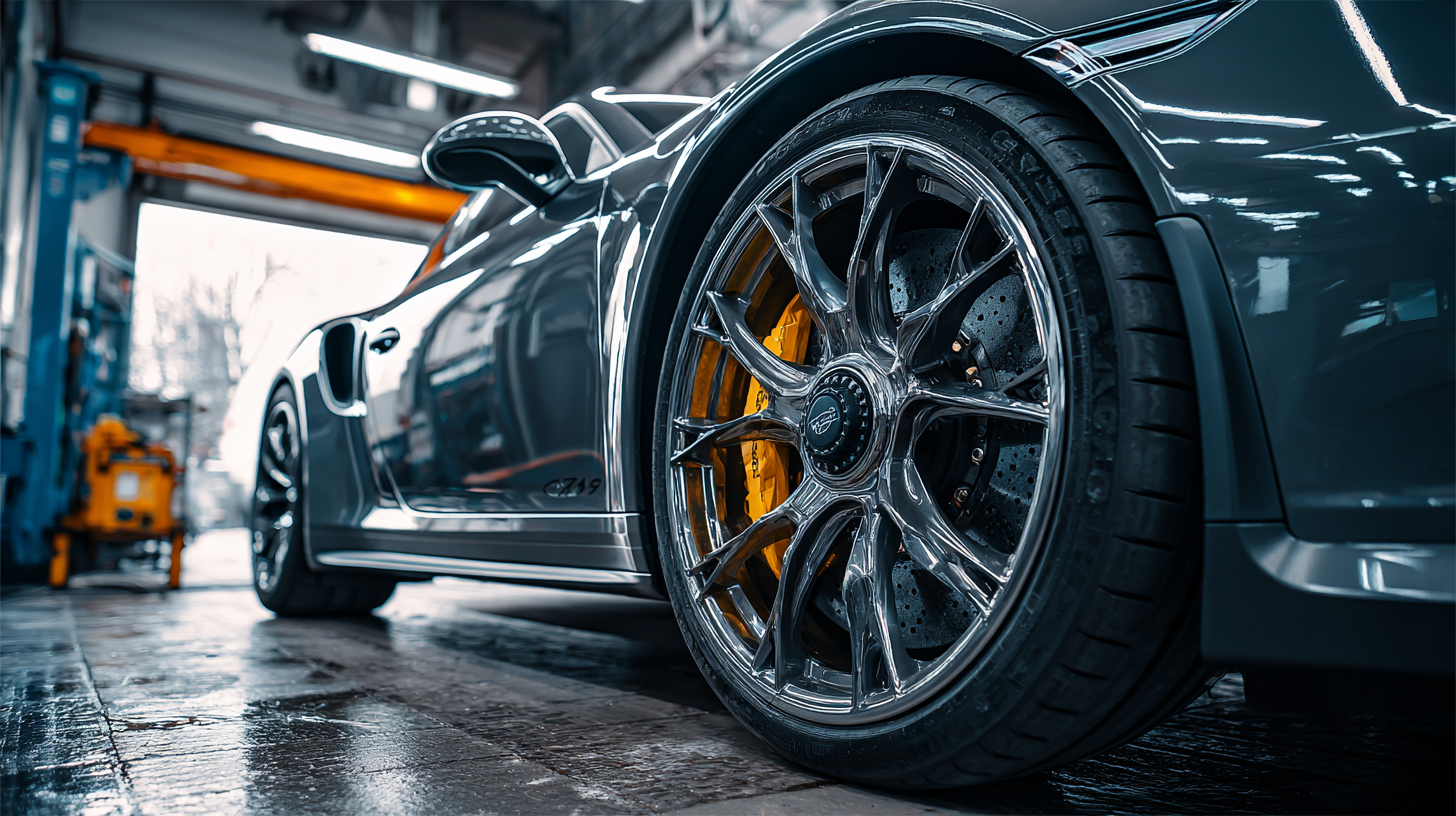
Maintaining proper tire pressure is crucial for safe driving and vehicle performance. According to the National Highway Traffic Safety Administration (NHTSA), under-inflated tires can reduce fuel efficiency by up to 3 percent for every psi drop in pressure. This highlights the importance of adhering to the recommended pressure levels, which can typically be found on a sticker in the driver's door jamb or in the owner's manual.
The industry standard for tire pressure varies depending on the vehicle type, but most passenger cars recommend maintaining pressure between 30 to 35 psi. Regularly checking tire pressure, at least once a month and before long trips, ensures optimal performance and safety.
Furthermore, a study by the Tire Industry Association (TIA) emphasizes that maintaining proper tire pressure could help prevent about 25 percent of tire-related accidents, reinforcing the critical role tire care plays in driving safety. As a best practice, tire pressure should be checked when tires are cold, as driving can heat them up and lead to inaccurate readings. Keeping a close eye on tire pressure is an essential aspect of vehicle maintenance that every car owner should prioritize.
The Impact of Weather Conditions on Tire Performance and Lifespan
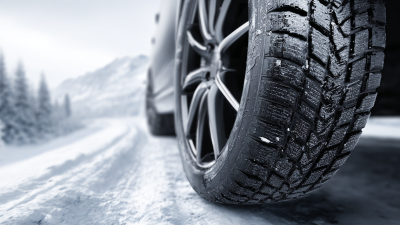
Weather conditions significantly influence tire performance and lifespan, essential knowledge for every car owner. As outlined in industry reports, fluctuations in temperature and moisture levels can drastically affect tire traction, wear, and overall safety. For instance, tires may lose pressure in colder climates and become more susceptible to damage from road hazards, while extreme heat can lead to tread separation. Regular inspection is vital, especially with changing seasons, as this can help in identifying issues such as uneven wear or cracks that may arise due to environmental stressors.
Furthermore, the global tire market, projected to reach $1.2529 billion by 2033, highlights the growing demand for specialized tires that can weather these conditions effectively. The misconception surrounding the age of tires being "expired" also deserves attention; longevity does not equate to decreased performance if maintained properly. Owners should prioritize the inspection of tread depth and surface conditions over production dates alone. This approach ensures that they can make informed decisions when purchasing tires, particularly in regions with extreme weather changes where suitable tires can enhance both safety and vehicle efficiency.
The Essential Guide to Tire Inspection for Safe Driving Every Car Owner Should Know
| Weather Condition |
Impact on Tire Performance |
Expected Tire Lifespan (in Years) |
Recommended Inspection Frequency |
| Dry and Warm |
Optimal grip and handling |
3-5 |
Monthly |
| Wet and Rainy |
Increased risk of hydroplaning |
2-4 |
Every 2 weeks |
| Cold and Snowy |
Reduced traction and longer stopping distances |
1-3 |
Weekly |
| Hot and Humid |
Increased wear and risk of blowouts |
2-4 |
Every 3 weeks |
Best Practices for Tire Rotation and Alignment to Enhance Vehicle Handling
Maintaining optimal tire health is crucial for vehicle performance and safety. Tire rotation is a practice that involves periodically changing the position of each tire on a vehicle to promote even tire wear. According to the Tire Industry Association (TIA), regularly rotating tires can extend their lifespan by up to 30%. This not only saves consumers money but also improves handling and traction, crucial for safe driving, especially in adverse weather conditions.
In addition to rotation, proper alignment is vital. Misalignment can lead to uneven tire wear, reduce fuel efficiency, and compromise vehicle safety. The American Automobile Association (AAA) reports that incorrectly aligned wheels can decrease tire life by 25% and increase fuel costs by 10%. Ensuring that tires are rotated and aligned according to manufacturer recommendations not only enhances driving stability but also contributes to a smoother ride. Regular checks, ideally every 5,000 to 7,500 miles, are recommended to maintain peak vehicle performance.
The Essential Guide to Tire Inspection for Safe Driving
This chart displays the average tread depth of tires by months since the last tire rotation. Regular tire rotation helps maintain even tread wear and prolongs the life of your tires, which in turn enhances vehicle handling and safety.