How to Choose the Right Car Tire Size for Your Vehicle?
Choosing the right car tire size is essential for your vehicle's performance and safety. The wrong tire size can lead to various issues, including poor handling, uneven wear, and compromised fuel efficiency. Understanding tire specifications can be overwhelming. Many drivers struggle with the numbers and letters found on tire sidewalls. It’s easy to feel lost in the technical jargon.
When selecting your car tire size, consider several factors, such as the vehicle type and driving conditions. The manufacturer’s recommendations are crucial. They provide guidance on which tire sizes work best for your vehicle. Ignoring these recommendations can lead to serious problems. Vehicle stability and safety depend on proper tire sizing.
Some drivers mistakenly believe that all tires are interchangeable. This is a common misconception. The right car tire size impacts ride comfort and overall performance significantly. Take the time to research and reflect on your driving habits. This choice influences everything from fuel economy to safety. Ultimately, a thoughtful approach to tire sizing will benefit you in the long run.
Understanding the Importance of Tire Size for Vehicle Performance
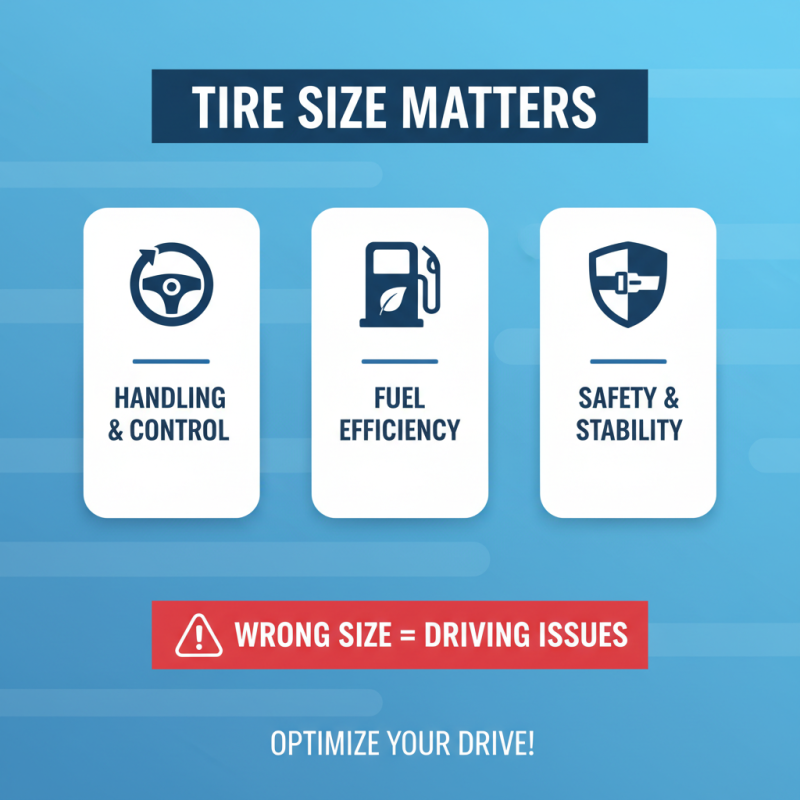
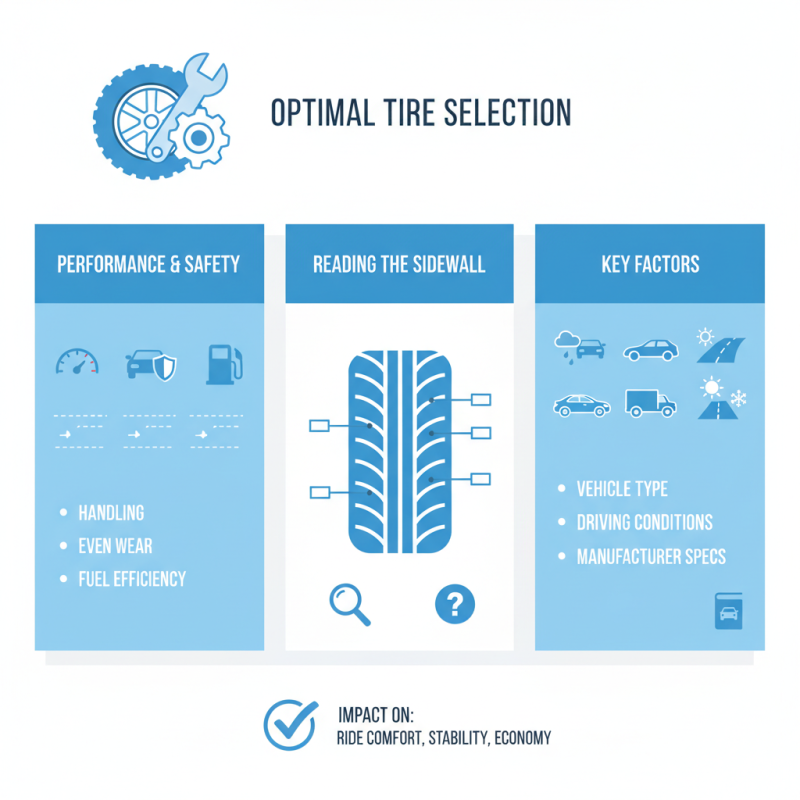
When it comes to vehicle performance, tire size plays a crucial role. The right tire size affects handling, fuel efficiency, and safety. If you choose the wrong size, you may face issues that impact your driving experience.
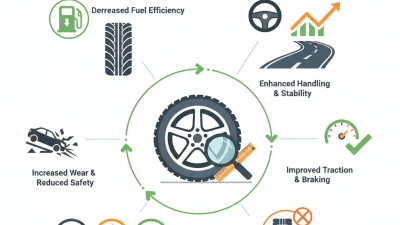
Tires that are too small can lead to poor grip. This can result in longer stopping distances and reduced stability. On the other hand, oversized tires may cause your engine to work harder, decreasing fuel economy. Your vehicle’s suspension system also suffers from incorrect tire sizes. This can lead to uneven tire wear and increased maintenance costs.
Understanding specifications is key. Each vehicle has a recommended tire size listed in the owner’s manual. Always consult this guide to help make informed decisions. Many people overlook this important detail. Testing different sizes can be tempting, but the consequences may not be worth it. Keep these factors in mind for optimal performance.
Identifying Your Vehicle's Recommended Tire Specifications
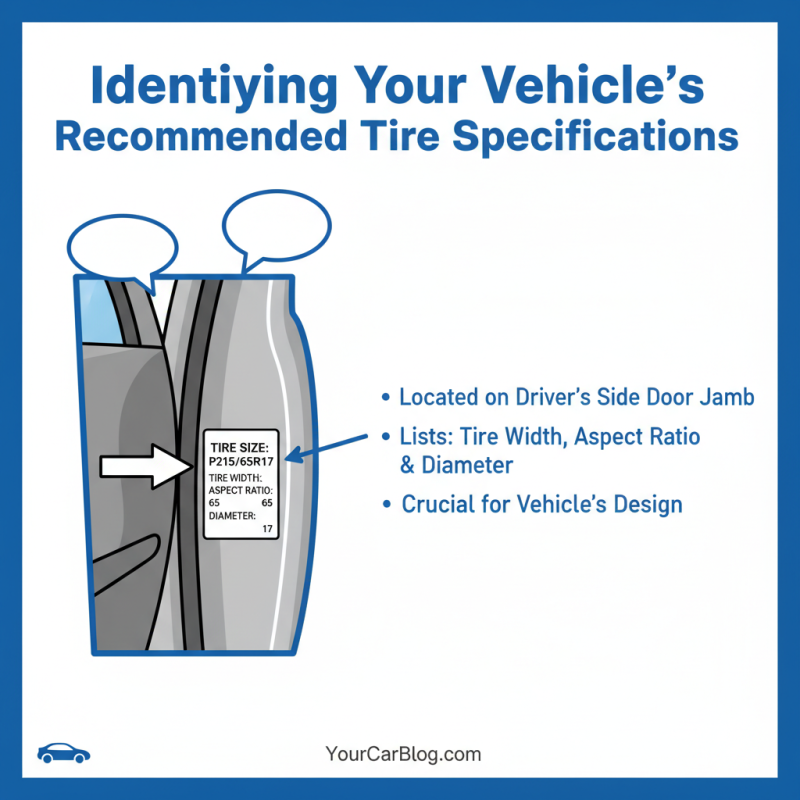
When it comes to selecting the right tire size for your vehicle, understanding the recommended specifications is crucial. Most vehicles come with a label that lists the appropriate tire size. This label is usually located on the driver's side door jamb. It outlines the tire width, aspect ratio, and diameter that best suit your vehicle’s design.
According to a 2022 report from the Tire Industry Association, improper tire sizing can lead to safety issues. Around 30% of drivers unknowingly use the wrong tire size. This can affect handling, fuel efficiency, and even increase the risk of tire blowouts. Additionally, the sidewall of the tire will have markings indicating its size and load capacity. Ignoring these details can compromise the vehicle's performance.
Misunderstanding tire specifications is common. Many drivers may choose a size based solely on aesthetics rather than safety. It’s essential to recognize that tires affect braking distance and stability. A study by the National Highway Traffic Safety Administration found that the right tire size can reduce braking distance by up to 10%. Always refer to your vehicle's manual for the most reliable guidelines. Your choice impacts not just performance but safety on the road.
Interpreting Tire Size Notation and Symbols
Choosing the right car tire size can significantly affect vehicle performance. Understanding tire size notation is crucial. Tire sizes typically appear in a format like P215/65R15. Let's break it down.
The "
P" indicates it's for passenger vehicles. "
215" is the tire width in millimeters. A wider tire can enhance grip but may reduce fuel efficiency. The "
65" represents the aspect ratio. This is the height of the sidewall as a percentage of the width. A lower ratio means a sportier feel but can lead to a stiffer ride. "
R" stands for radial construction, which is standard for most tires today.
When looking at tire sizes, pay attention to the
load index and
speed rating as well. The load index indicates how much weight a tire can support. A higher rating means the tire can carry more. The speed rating affects safety and performance at higher speeds. Always refer to your vehicle's
owner manual for specifications.
Tips: Check your tire size often. This ensures your tires suit your vehicle's needs. Regular maintenance can help prevent wear. Keep an eye on any signs of damage to ensure safety. Understand that tire choices impact everything—from handling to efficiency.
Adjust accordingly if driving habits change.
Factors Influencing Tire Size Selection for Different Driving Conditions
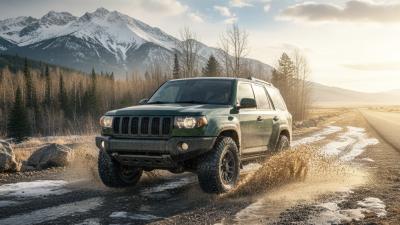
Selecting the right tire size for your vehicle involves understanding several factors influenced by driving conditions. According to the Tire Industry Association, the tire size affects handling, acceleration, and comfort. It's important to consider the terrain. For instance, off-road conditions demand larger, rugged tires for better grip.
Weather plays a significant role too. In wet or snowy conditions, narrower tires can cut through water and snow, improving traction. A study from the Rubber Manufacturers Association found that vehicles equipped with appropriate tires had a 30% better performance in adverse weather. Driving habits also influence tire choices—aggressive drivers may require high-performance tires, while those who drive at moderate speeds may prioritize comfort.
Load capacity is another crucial aspect. Your vehicle’s weight determines the tire’s load rating. Exceeding this can lead to tire failure. It's essential to check your vehicle manual for specifications. Many drivers neglect this, impacting safety and performance. Ensuring you choose the right tire size involves a careful balance of these variables, requiring research and sometimes expert advice.
How to Choose the Right Car Tire Size for Your Vehicle? - Factors Influencing Tire Size Selection for Different Driving Conditions
| Tire Type |
Tire Size |
Recommended Pressure (PSI) |
Best for Driving Conditions |
| All-Season Tire |
205/55 R16 |
32 PSI |
Mixed conditions, mild weather |
| Winter Tire |
195/65 R15 |
30 PSI |
Snowy and icy conditions |
| Performance Tire |
225/45 R17 |
34 PSI |
High-speed, dry conditions |
| Off-Road Tire |
265/70 R17 |
28 PSI |
Uneven terrains, mud |
| Touring Tire |
215/60 R16 |
33 PSI |
Long-distance travel, comfort |
Common Mistakes to Avoid When Choosing Tire Size for Your Car
Choosing the right tire size is crucial for optimal vehicle performance. Many drivers make common mistakes that can affect safety and efficiency. One prevalent error is ignoring the manufacturer's specifications. Each vehicle is designed for specific tire dimensions based on numerous factors, including weight distribution and suspension setup. Using oversized or undersized tires can lead to handling issues and increased wear on suspension components.
Another common pitfall is not considering tire aspect ratio. This ratio impacts ride quality and fuel efficiency. A tire with a low aspect ratio may provide better handling, yet it can result in a harsh ride on rough surfaces. According to industry data, incorrect tire size can cause a 5-10% drop in fuel economy. This statistic emphasizes the importance of choosing the right size to enhance efficiency and performance.
Many drivers often prioritize aesthetics over functionality. They may opt for larger tires to give their vehicle a sporty look. However, this can lead to an improper fit and possible tire rubbing during turns. Balancing appearance with practicality is essential. Investing time in understanding tire specifications can result in better performance and longer tire life, avoiding unnecessary expenses and safety hazards.