How to Choose the Best Four Season Tires for Your Vehicle?
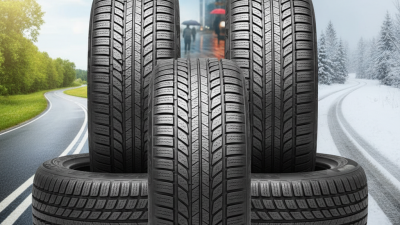
Choosing the right tires for your vehicle is crucial for safety and performance. Four season tires are designed to provide versatility throughout the year. They offer a balanced performance in various weather conditions, including rain and light snow. According to a report by the Tire Industry Association, around 30% of drivers use four season tires for year-round driving.
Expert David Smith, a well-known tire specialist, emphasizes the importance of quality. He states, "Not all four season tires are created equal." This reflects the need for careful selection based on driving habits and local climate. Many consumers overlook tire specifications and rely on brand names alone. However, tread design and rubber compounds vary significantly among models.
As temperatures fluctuate, drivers face unique challenges. Unsuitable tire choices can lead to reduced traction and increased stopping distances. Pay close attention to the weather patterns in your area. It’s not only about choosing four season tires; it’s about knowing when they truly perform best. Investing time in research will pay off.
Understanding Four Season Tires: Definition and Benefits
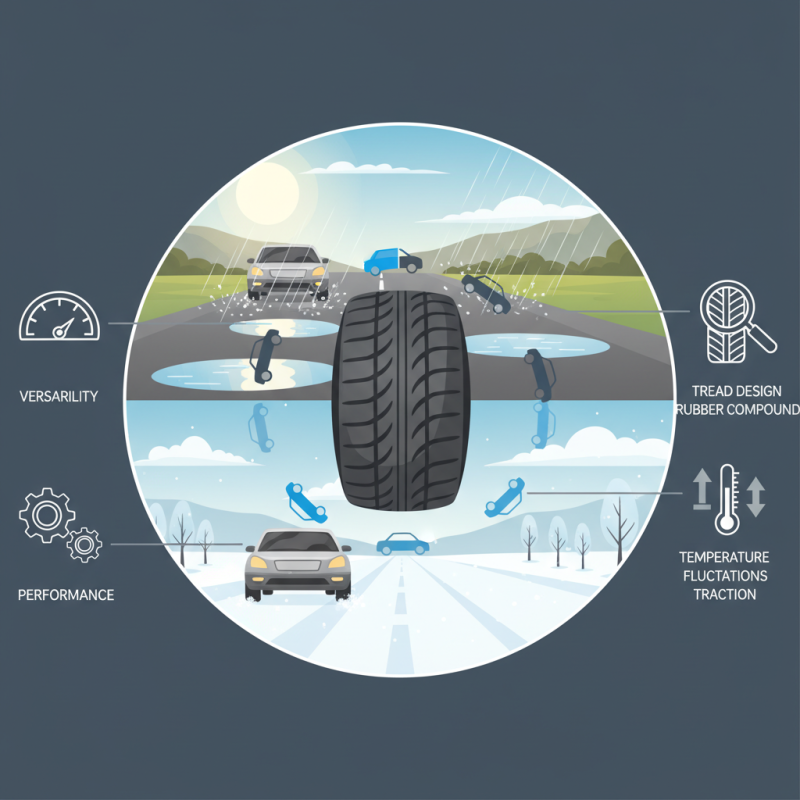
Four season tires are designed for varying weather conditions. They offer a comfortable balance between summer and winter performance. These tires are built to handle light snow, rain, and dry roads. Their tread patterns often feature grooves that help with traction and disperse water, reducing the risk of hydroplaning.
For drivers in regions with mild winters, four season tires provide a practical solution. They eliminate the need to switch tires with the changing seasons. However, they may not perform as well in heavy snow or extreme heat compared to specialized tires. Some users notice a slight trade-off in handling or grip. It’s essential to consider your driving habits and local climate when opting for four season tires. Finding the right fit requires some reflection on where and how you drive.
Assessing Your Driving Conditions: Weather and Terrain Considerations
When selecting four-season tires, evaluating your driving conditions is vital. Consider the typical weather in your area. If you face heavy rain, choose tires that offer excellent grip on wet surfaces. Snowy regions need tires with fine tread patterns for better traction. There's a balance to strike. Not all tires perform equally well under all conditions.
Next, think about terrain. Are your daily drives mostly on highways or unpaved roads? Highway driving demands less aggressive tires. You want a smooth ride with good fuel efficiency. However, mixed-use terrains need tires that can handle rough and smooth surfaces. It can be tough to find that perfect fit.
Keep in mind, tire choices can sometimes reflect personal preferences. You might favor quiet rides over performance. Yet tire noise can become a problem on long trips. Some drivers overlook this. Testing different options could lead to surprising insights. Reflecting on your needs is crucial. It’s not just about the initial choice but adapting over time.
Tread Design and Rubber Composition: Key Features of Four Season Tires
When selecting four-season tires, tread design and rubber composition are essential factors. Tread patterns influence grip, handling, and durability. Many tires feature a symmetrical design. This can provide adequate traction in varying weather. However, some tread patterns are more aggressive. They are better suited for wet or snowy conditions.
The rubber composition also plays a crucial role. Softer rubber compounds can enhance grip in colder temperatures. But they may wear out faster. Harder compounds often last longer but might not perform well in slick weather. It's essential to find a balance. A tire that performs well in summer may struggle in winter.
Consider your driving habits. If you mostly drive in urban areas, all-season tires might suffice. But for those venturing into harsher climates, a well-designed tread comes into play. Pay attention to reviews and user experiences. It's worth noting that not every tire will meet every need. Reflect on your choices and weigh the pros and cons carefully.
Comparison of Tread Design and Rubber Composition in Four Season Tires
Sizing and Compatibility: How to Choose the Right Dimensions for Your Vehicle
Choosing the right size for four season tires is crucial for your vehicle's performance. The tire's dimensions affect handling, comfort, and safety. According to industry reports, nearly 75% of drivers overlook proper sizing when purchasing tires. This can lead to issues like reduced traction or increased wear.
When selecting dimensions, consider the tire width, aspect ratio, and diameter. For example, a wider tire may offer better grip. However, it can also lead to a harsher ride. The aspect ratio is the height-to-width ratio. A lower ratio generally enhances performance but might compromise comfort. The diameter must match your vehicle to ensure a proper fit. Using tires that do not fit can impact fuel efficiency by up to 10%.
Using a tire size calculator can help in selecting compatible dimensions. It’s easy to misjudge what your vehicle needs. Always consult your owner’s manual for recommendations. Even if a tire looks attractive, it may not suit your vehicle. Understanding these aspects helps prevent mistakes that could affect safety and driving experience. Tracking your tires' wear and performance improves your selection process over time.
Evaluating Brands and Reviews: Making Informed Tire Purchase Decisions
When choosing four season tires, evaluating brands and user reviews is crucial. A wide variety of tire options exist, and each brand has unique characteristics. It’s essential to look beyond marketing claims. Seek genuine reviews from other drivers. Online forums and consumer reports offer real-life experiences. You can often find insights on performance in different weather conditions.
Tips: Focus on durability and comfort when reading reviews. Balance these aspects for a smooth ride. Don’t overlook tire noise levels; they can greatly affect driving comfort. Compare reviews from both average drivers and experts. This can provide a well-rounded perspective.
Some reviews might not reflect your needs. A tire that performs well in dry conditions might not excel in winter. Personal experiences with the same tire can vary greatly. Be mindful of this when making a decision. Don't rush into a purchase based on one or two reviews. Take time to gather a mix of opinions for a better understanding.