How to Choose the Best All Terrain SUV Tires?
Choosing the best all terrain suv tires begins with an honest look at your driving routine. A tire that works beautifully on rocky trails may feel noisy on a daily commute. The reverse can also happen. A quiet highway tire may struggle in loose gravel, wet grass, or shallow mud.
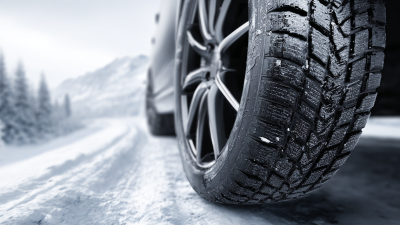
Matt Edmonds, an automotive tire expert associated with Tire Rack, puts the decision simply: “The right tire depends on how and where you drive.” That idea deserves attention. Your SUV’s size, weight, suspension, and traction system all influence tire performance. So does your climate. A mountain driver may need stronger sidewalls and reliable snow traction. A suburban driver might value wet braking, fuel efficiency, and lower road noise.
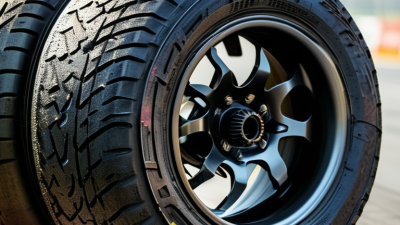
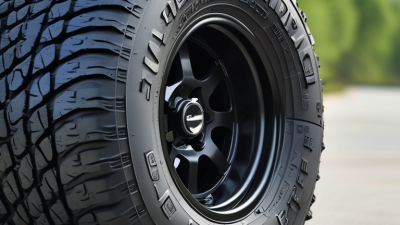
Look closely at the tread pattern. Larger blocks can improve grip on dirt and stones, but they may reduce pavement comfort. Reinforced sidewalls help resist cuts near sharp rocks. However, tougher construction can increase weight. That trade-off is easy to overlook.
Do not trust aggressive appearance alone.
Load rating, speed rating, tire size, and manufacturer recommendations matter. Professional testing can help, but personal experience matters too. A tire may perform well in a review and still feel wrong on your SUV. I have found that road noise, steering response, and braking confidence are highly subjective.
This guide examines those practical details. It also questions popular assumptions, because the most rugged-looking option is not always the safest or smartest choice.
Verify OEM Size, Load Index, Speed Rating, and Placard Pressure
How to Choose the Best All Terrain SUV Tires?
Verify OEM Size, Load Index, Speed Rating, and Placard Pressure
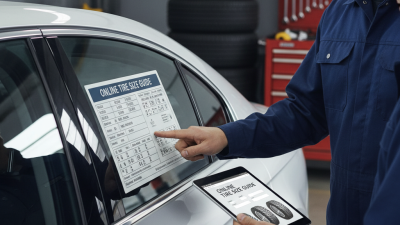
Choosing all terrain SUV tires should begin with the vehicle, not the tread pattern. Check the OEM tire size on the driver’s door placard or owner’s manual. The sidewall may show a different size from a previous installation. That does not make it correct. A small mismatch can affect handling, clearance, fuel use, and speedometer accuracy.
Review the load index carefully. It indicates the maximum weight each tire can carry at its rated pressure. Your replacement tire should meet or exceed the vehicle’s original requirement. The speed rating also matters, even for drivers who rarely reach high speeds. Select a rating suitable for the SUV’s specification and normal driving conditions. A tire built for rugged trails still needs stable highway behavior.
Use the placard pressure as your starting point. It lists the recommended cold pressure for the original tire size and vehicle load. Do not automatically use the maximum pressure printed on the tire sidewall. That figure describes the tire’s limit, not the SUV’s ideal setting. Check pressure before driving, when the tires are cool. Inspect clearance after installation, especially with full steering lock and heavy cargo. I have seen owners focus on aggressive tread and overlook these details. That choice can feel fine in a parking lot, yet behave poorly during rain or sudden braking. A professional fitment check is worthwhile. Sometimes the obvious upgrade is not the safest one.
Compare Tread Depth, Void Ratio, UTQG Scores, and Traction Ratings
Choosing all-terrain SUV tires requires more than checking an aggressive tread pattern. Tread depth affects longevity, gravel grip, and resistance to hydroplaning. Many new all-terrain tires measure around 12/32 to 16/32 inch, but deeper is not always better. A very deep tread can feel less precise on clean pavement. Measure it cold. Use a tread-depth gauge across the center and shoulder blocks, because uneven wear may reveal alignment or inflation problems.
Void ratio describes the open space between tread blocks. A higher ratio helps eject mud, stones, and loose dirt, especially on forest roads after rain. However, large gaps can create more road noise and reduce contact on wet asphalt. For mixed driving, I usually look for sturdy blocks with moderate spacing and reinforced shoulders. That balance is easy to overlook during a showroom inspection.
UTQG scores can support comparison, but they need careful interpretation. Treadwear numbers are relative, not guaranteed mileage. Traction grades primarily reflect wet braking on standardized surfaces, not deep mud or snow performance. Temperature ratings indicate heat resistance under testing conditions. Numbers need context. Check the tire’s load index, speed rating, vehicle weight, and recommended pressure. A tire with an impressive rating may still perform poorly when overloaded or underinflated. I have also learned that real-world results vary with alignment, rotation habits, pavement temperature, and driving style. Test data matters, but it cannot replace inspecting the road conditions you actually face.
How to Choose the Best All Terrain SUV Tires? - Compare Tread Depth, Void Ratio, UTQG Scores, and Traction Ratings
| All-Terrain Tire Category |
Typical New Tread Depth
(32nds of an inch) |
Approximate Void Ratio |
Common UTQG Treadwear Range |
Typical UTQG Traction Rating |
Best Use |
Selection Notes |
| Highway-Focused All-Terrain |
12–14 |
20–30% |
500–700 |
A or B |
Daily driving, highways, light gravel |
Choose this style for lower road noise, improved fuel efficiency, and more predictable wet-road handling. |
| Balanced All-Terrain |
14–16 |
30–40% |
400–600 |
A or B |
Mixed road use, gravel, dirt, occasional mud |
A practical compromise for SUV drivers who regularly switch between paved roads and moderate off-road surfaces. |
| Off-Road-Oriented All-Terrain |
16–18 |
40–50% |
300–500 |
A or B |
Rock, sand, loose dirt, deeper mud |
Larger tread voids and deeper grooves can improve self-cleaning and loose-surface grip, but may increase noise and rolling resistance. |
| Severe-Snow-Rated All-Terrain |
14–18 |
30–45% |
400–600 |
A or B |
Snowy roads, cold climates, mixed terrain |
Look for the Three-Peak Mountain Snowflake symbol when certified severe-snow performance is required; UTQG traction alone does not measure snow grip. |
| Heavy-Load All-Terrain |
15–18 |
30–45% |
300–500 |
A or B |
Towing, cargo, work roads, rugged trails |
Verify the tire's load index, load range, and maximum inflation pressure; tread depth and UTQG alone do not establish carrying capacity. |
How to Read the Key Measurements
- Tread depth: Greater depth generally provides more wear material and can help on loose surfaces, but it may reduce steering response and increase noise.
- Void ratio: A higher percentage of open tread area usually improves the release of mud, sand, and stones. It can reduce pavement comfort and wet-road contact area.
- UTQG treadwear: This is a comparative wear index. A higher number generally indicates greater tested wear resistance, but results are not a guaranteed mileage prediction.
- UTQG traction: Grades are AA, A, B, and C, with AA highest. The test primarily evaluates wet braking and does not fully describe snow, ice, mud, or off-road traction.
- Temperature rating: UTQG temperature grades are A, B, and C. Confirm the complete UTQG marking, along with the tire size, load index, speed rating, and vehicle requirements, before purchasing.
Note: The figures above are realistic comparative ranges for tire selection, not specifications for a particular tire. Actual values vary by size, construction, intended service, and certification.
Evaluate Sidewall Protection, Load Capacity, and Puncture Resistance
How to Choose the Best All Terrain SUV Tires?
Choosing all terrain SUV tires starts with sidewall protection. On rocky trails, the sidewall can scrape sharp edges before the tread touches them. Look for reinforced sidewalls and strong shoulder rubber. These features reduce cuts and bruises during slow, uneven driving. However, thicker protection may increase weight and road noise. That tradeoff is easy to overlook.
Load capacity matters every day, not only on camping trips. Check the vehicle placard and owner’s manual before comparing tire load ratings. Account for passengers, tools, recovery equipment, and roof cargo. A tire carrying too much weight can build excess heat. It may also wear unevenly or respond poorly during emergency braking. Do not guess here.
Puncture resistance depends on more than tread depth. Strong casing materials, sensible inflation, and regular inspections work together. Before a trail drive, check for embedded stones, cuts, and exposed cords. Keep pressure within the vehicle maker’s recommended range for normal roads. Some drivers lower pressure off-road, but careless adjustments can damage the sidewall. I have found that aggressive tread often feels reassuring, yet it cannot prevent every puncture. Tire choice should match your actual terrain, driving speed, and typical cargo. The toughest option is not always the most suitable one.
Calculate Total Cost Using Mileage Warranty, Rotation, and Fuel Economy Data
How to Choose the Best All Terrain SUV Tires?
Mileage warranty, rotation needs, and fuel economy can reveal a tire’s real cost. The lowest price is not always the best value. Start with a five-year estimate based on your actual driving. Include four tire prices, mounting, balancing, disposal fees, and possible replacement costs. A 60,000-mile warranty means little if your SUV carries heavy loads or travels on sharp gravel.
Use this simple calculation: total purchase cost plus service costs plus added fuel costs. For example, assume four tires cost $800, rotations cost $25 every 6,000 miles, and you drive 15,000 miles yearly. Over four years, regular rotations may add about $250. Check whether free rotations are included, and read the warranty’s maintenance requirements carefully. Missing documented rotations can reduce coverage.
Fuel economy deserves close attention. A more aggressive tread may reduce mileage slightly, especially on highways. If your SUV normally achieves 24 miles per gallon, a drop to 23 miles per gallon requires about 26 extra gallons over 15,000 miles. Multiply that amount by your local fuel price. The difference may seem small, but it grows over several years.
I keep receipts and record tread depth. It makes warranty discussions easier. My spreadsheet is useful, not perfect.
Weather, tire pressure, alignment, and driving style can change the result. An alignment check after installation may prevent uneven wear and protect the investment.