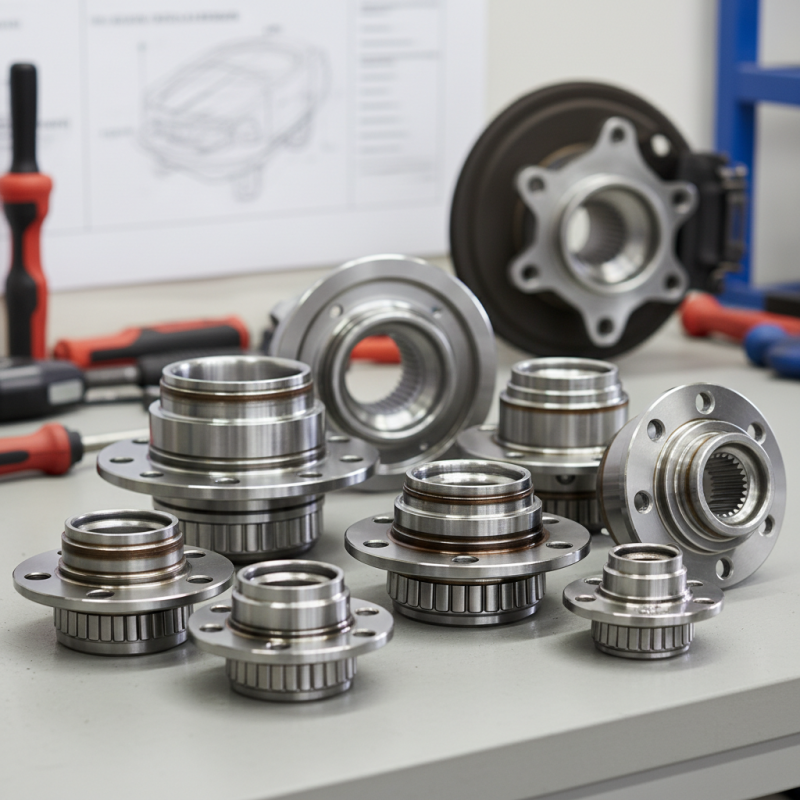
How to Choose Wheel Hub Bearing Units for Your Vehicle?
Choosing the right wheel hub bearing units for your vehicle is crucial for optimal performance. These components play a key role in connecting the wheel to the axle, ensuring smooth rotation. When selecting wheel hub bearing units, various factors come into play.
Consider your vehicle's make and model. Compatibility is vital. The size and design of wheel hub bearing units vary greatly. Cheaper options might save money, but could compromise safety. Quality is not just a luxury; it's a necessity.
Look for trusted brands that offer durability. Inspect reviews and seek recommendations. Sometimes, it's about more than the price; reliability matters. Understanding the specifications of your wheel hub bearing units is essential. Don’t ignore the little details; they could save you in the long run. Make informed choices to enhance your vehicle’s performance.
Understanding the Role of Wheel Hub Bearing Units in Vehicle Performance
Wheel hub bearing units play a crucial role in a vehicle's overall performance. They connect the wheel to the axle and help facilitate smooth rotation. Properly functioning bearings ensure that your wheels move with minimal friction, enhancing handling and fuel efficiency. A worn or damaged bearing can lead to noise, vibration, and even unsafe driving conditions.
When selecting a wheel hub bearing unit, consider your driving habits. Frequent off-road driving or heavy loads demand durable bearings. Additionally, pay attention to the specifications of your vehicle. Not all bearings fit every model. Ensure you pick ones designed for your specific car to avoid issues later.
Tips: Regularly inspect your wheel bearings for signs of wear. Listen for unusual noises while driving. If you hear grinding or humming sounds, it might be time for a replacement. Don't ignore these warnings. Addressing them early can prevent further damage. Remember, investing in quality bearings now can save you from costly repairs down the line.
Identifying the Different Types of Wheel Hub Bearing Units Available
Wheel hub bearing units play a crucial role in vehicle performance. Understanding the different types available can help you make an informed choice. Generally, there are two main categories: unitized bearings and non-unitized bearings. Unitized bearings come as a single assembly. They are often easier to install. Many vehicle owners prefer these for that reason.
On the other hand, non-unitized bearings consist of separate components. These might require more maintenance. They can be challenging to replace, especially if you lack tools or experience. Some drivers might enjoy the DIY aspect, but it’s not for everyone. Finding the right fit for your vehicle can feel overwhelming at times.
Consider compatibility with your vehicle model. Many drivers overlook this detail, which leads to issues later. Additionally, think about the driving conditions you face. Harsh climates or rough terrains may demand more robust units. If you're uncertain, consult a professional for guidance. The right bearing unit can enhance safety and performance.
Key Factors to Consider When Selecting Wheel Hub Bearing Units
When selecting wheel hub bearing units, several key factors come into play. The size and weight of your vehicle significantly influence the type of bearing you should choose. Lighter vehicles can often use smaller, less robust units. Heavier models may require something sturdier to handle increased loads and stress. It's essential to match the bearing's specifications to your vehicle type.
Another vital aspect is the type of driving conditions you'll encounter. If you often drive on rough terrains, you might need more durable bearings. Consider exposure to moisture, dirt, and road debris. These elements can wear down bearings more quickly. Selecting units with adequate sealing can help mitigate these issues. Check the material quality, as cheap options could lead to premature failures, creating safety risks.
Remember to think about the installation process. Some bearings require special tools or skills to fit. If you're unsure, extra costs for professional installation may arise. Think about long-term performance and maintenance. Will the chosen unit need frequent replacement? Evaluate these aspects carefully. Each choice carries weight and consequences in the long run. It's crucial to analyze your needs thoughtfully to avoid potential regrets down the road.
How to Choose Wheel Hub Bearing Units for Your Vehicle? - Key Factors to Consider When Selecting Wheel Hub Bearing Units
| Factor | Description | Importance Level (1-5) |
| Vehicle Compatibility | Ensure the bearing unit is suitable for your specific vehicle make and model. | 5 |
| Material Quality | Select units made from high-quality materials for durability and longevity. | 4 |
| Sealing Type | Consider the sealing type to protect against dirt and moisture ingress. | 4 |
| Load Capacity | Verify that the bearing can handle the required load based on your vehicle's specifications. | 5 |
| Bearing Type | Identify if you need tapered or ball bearings based on performance needs. | 3 |
| Manufacturer Reputation | Research the reputation of the bearing unit manufacturer for reliability. | 4 |
| Warranty & Support | Check for warranty terms and customer support options for maintenance. | 4 |
Evaluating Quality and Durability of Wheel Hub Bearing Units
When choosing wheel hub bearing units, assessing quality and durability is crucial. Look for materials that withstand wear. High-quality units often use advanced steel or composite materials. These components are less prone to rust and other forms of corrosion. Pay attention to the seals as well. Effective seals keep dirt and moisture out, extending the life of the bearings.
Another factor is the design of the bearing unit. Units with a robust design typically offer better performance. A well-engineered bearing distributes loads effectively, reducing stress. Lesser-known products may sometimes seem attractive due to pricing, but they may lack reliable performance. Research shows that cheaper options might wear out faster, leading to costly replacements.
Consider user reviews and real-life experiences. These insights reveal a lot about durability over time. Quality may vary, and some units may fail under specific conditions. Not every “top-rated” product is best suited for all vehicles. It's essential to evaluate each option based on your vehicle’s needs. Finding the right match can prevent future headaches and ensure smooth driving.
Quality and Durability Evaluation of Wheel Hub Bearing Units
Installation Tips and Maintenance for Wheel Hub Bearing Units
When installing wheel hub bearing units, several key steps can enhance performance. Start with a clean workspace. Dirt can compromise the installation process. Check all tools before beginning. Missing tools can lead to frustration.
Ensure you have the right bearing unit for your vehicle. If unsure, consult your vehicle's manual. An incorrect fit can cause premature wear. It's essential to tighten all bolts to the specified torque. Over-tightening can damage the unit.
After installation, maintain your bearings properly. Regularly check for unusual noises. This could indicate wear. It’s crucial to inspect for any leaks. If you notice anything odd, don't ignore it. Addressing issues early can save you from more significant problems down the road.