Contact Us

What Are Blizzak Tires and Are They Worth Buying?

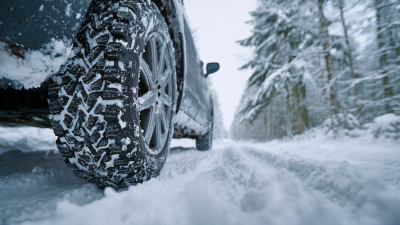
Blizzak tires are Bridgestone’s dedicated winter tires, developed for drivers facing freezing roads, packed snow, and unpredictable ice. Their rubber compound stays more flexible in cold weather than many all-season compounds. That flexibility can help the tread grip a frozen intersection instead of sliding across it. Deep grooves also move slush away from the contact patch, while tiny biting edges improve traction on snowy surfaces.

Ian Cook, a Bridgestone product development expert, explains, “Winter tires are designed to remain flexible in cold temperatures.” That principle helps explain why blizzak tires can outperform all-season tires when temperatures regularly fall below 45 degrees Fahrenheit. However, winter performance is not magic. Tire pressure, vehicle weight, braking habits, and road conditions still matter. A front-wheel-drive sedan may move confidently through snow, yet stop poorly with worn tires.

This article examines what blizzak tires are, how their tread and compounds work, and which drivers may benefit most. It also considers important trade-offs. Winter tires can feel softer on dry pavement, produce more road noise, and require seasonal storage or replacement. They may wear quickly if used during warm months. That detail is easy to overlook.

Personal experience matters, too. A driver in northern Minnesota faces different risks from someone in coastal Virginia. Buying the most expensive model may not be necessary. Buying the wrong type can be. We will look at braking, ice traction, wet-road behavior, cost, and expected service life before deciding whether Blizzak tires are worth buying. No tire solves every winter problem. That deserves honest attention.
What Are Blizzak Tires and Are They Worth Buying?

What Blizzak Tires Are and How Their Winter Design Works

Winter tires are engineered for cold, snow, and ice, not merely for deep snowfall. Their rubber compound stays more flexible below about 45°F, according to guidance from the U.S. Tire Manufacturers Association. That flexibility helps the tread grip cold pavement. All-season compounds can become noticeably harder in the same conditions.

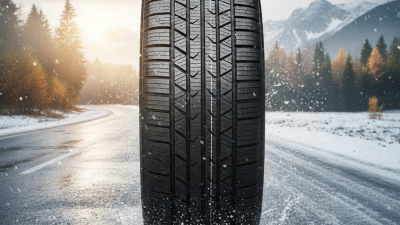
The tread design matters just as much. Narrow grooves push away slush, while dense zigzag sipes create small biting edges. These edges press into packed snow like fingernails into soft soil. Many winter tires also carry the Three-Peak Mountain Snowflake symbol, which indicates tested performance on severe snow.

Testing supports the design, though the numbers need context. The American Automobile Association’s 2016 winter-tire study found winter tires stopped about 25% shorter on snow than all-season tires. They also delivered stronger snow traction and handling. Results varied on ice, temperature, vehicle weight, and tire condition.

That caveat matters. A worn winter tire cannot perform like a new one. I have also found that drivers often notice steering confidence before they notice shorter braking distances. The benefit feels subtle on dry roads. It becomes obvious when a vehicle climbs a frozen hill or stops beside a snow-covered intersection. Not every cold region needs the same tread depth, and local weather should influence the buying decision.

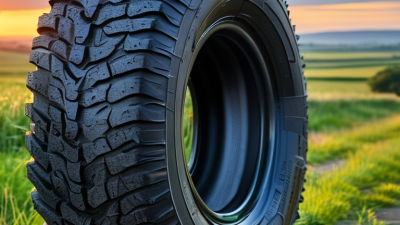
Main Blizzak Tire Types and Their Intended Vehicle Applications

Dedicated winter tires use flexible rubber compounds and deeper, biting tread patterns for cold roads. They remain pliable when temperatures drop near freezing. Their small grooves can channel slush and improve traction on packed snow.

The main type is the studless ice-and-snow tire, designed for commuters facing icy intersections, frozen bridges, and frequent snowfall. It suits compact cars, sedans, crossovers, and many family vehicles.

A performance winter tire offers sharper steering and stronger wet-road control. It fits drivers who use sporty cars but still face cold weather.

SUV and light-truck winter tires usually have stronger construction and support heavier vehicles. They work well for rural roads, steep driveways, and unplowed streets.

Fit matters more than appearance.

Tips: Match the tire size, load rating, and speed rating to your vehicle. Use four winter tires, not only two, because mixed traction can make braking unpredictable. Check tread depth before each season. I once underestimated a thin layer of ice in a shaded parking area; gentle braking still felt surprisingly vague. That experience changed how I judge “good enough” tread. Also, winter tires are not magic. They cannot replace slower speeds, clear visibility, or sensible following distance. In warm, dry weather, they may feel softer and wear faster, so seasonal storage deserves attention.

How Blizzak Tires Perform on Snow, Ice, and Cold Roads

Winter tires are designed to remain flexible when temperatures fall below about 45°F. That flexibility helps the tread grip cold roads instead of becoming stiff and slippery. On packed snow, deep grooves and small biting edges can improve traction during starts, turns, and controlled braking.

On ice, expectations should stay realistic. These tires may shorten stopping distances, but they cannot create dependable grip on polished ice. During careful winter driving, steering can feel more stable on snowy streets, while sudden throttle inputs still cause wheel spin.

Cold, dry pavement is different. The tires may feel softer and less precise, and cornering can seem slightly slower. That trade-off is easy to notice. Independent winter-tire tests usually show stronger snow performance than all-season designs, but results vary with tire size, vehicle weight, and road temperature.

Tips: Check tire pressure when the tires are cold, since pressure drops in freezing weather. Inspect tread depth regularly; shallow grooves reduce snow evacuation. Leave extra following distance, even with premium winter tires. Use gentle braking and smooth steering. I sometimes overestimate available grip, especially near intersections where ice looks like ordinary pavement. A tire helps, but careful judgment matters more.

Blizzak Tire Costs, Lifespan, and Maintenance Requirements

Winter tires are designed with softer rubber compounds that stay flexible in freezing weather. Their deeper grooves also help clear slush and packed snow. In practical use, a complete set often costs between $500 and $1,200, including mounting and balancing. Prices vary by tire size, vehicle type, and local labor rates. Larger wheels usually raise the bill.

A typical set lasts three to five winter seasons, or roughly 20,000 to 40,000 miles. Driving on warm, dry roads accelerates wear. Aggressive cornering can do the same. I would inspect tread depth before every winter, not only when handling feels different. Many technicians recommend replacing winter tires near 6/32 inch of remaining tread, although local guidance may differ.

Maintenance is straightforward but easy to neglect. Check pressure monthly, especially after a sharp temperature drop. Rotate the tires every 5,000 to 8,000 miles, unless the vehicle maker specifies another interval. Store them indoors, away from sunlight, moisture, and electric motors that produce ozone. Keep the tires clean and label their previous positions. Storage bags help, but they do not correct poor stacking or heat exposure. A careful owner can extend tire life, though my estimates remain imperfect because road salt, alignment, mileage, and driving habits vary widely. A yearly alignment check may prevent uneven wear, yet it adds another service cost.

What Are Blizzak Tires and Are They Worth Buying? - Blizzak Tire Costs, Lifespan, and Maintenance Requirements

A practical overview of winter-tire performance, ownership costs, service needs, and replacement indicators.

Category Typical Information Why It Matters
What They Are Winter tires designed for cold-weather driving, with flexible rubber compounds and tread patterns intended for snow, ice, and slush. They generally maintain better cold-weather grip than all-season tires when temperatures remain below approximately 45°F (7°C).
Main Performance Advantages Improved traction during acceleration, cornering, and braking on packed snow, ice, and cold pavement. Extra grip can improve vehicle control, although it cannot eliminate the need for slower speeds and longer following distances.
Typical Purchase Cost Approximately $100–$300 per tire, depending on size, vehicle type, load rating, and construction. A complete set commonly costs about $400–$1,200 before installation, taxes, wheels, or storage.
Installation and Seasonal Changeover Mounting, balancing, and seasonal changeover often total about $80–$160 per service, depending on local labor rates and wheel setup. A second wheel set can reduce repeated mounting costs and may make seasonal changes faster.
Storage Cost Professional seasonal storage commonly ranges from about $50–$150 per season. If stored at home, keep tires clean, dry, cool, and away from direct sunlight, ozone sources, and chemicals.
Expected Service Life Often about 3–5 winter seasons, or roughly 20,000–40,000 miles, depending on climate, driving style, storage, and maintenance. Mileage and age are only estimates; tread depth, cracking, uneven wear, and rubber hardening should also guide replacement decisions.
Tread-Depth Considerations Winter performance may decline substantially before the legal minimum tread depth is reached. Many safety professionals recommend replacing winter tires near 4/32 inch of remaining tread. Snow traction depends heavily on tread depth, so legal usability does not always mean ideal winter performance.
Inflation Requirements Check pressure at least monthly and before long trips, using the vehicle manufacturer’s recommended cold-tire pressure. Cold temperatures reduce tire pressure, and underinflation can increase wear, rolling resistance, and handling risks.
Rotation and Inspection Inspect for uneven wear, embedded objects, sidewall damage, cracks, and missing tread features. Rotate according to the vehicle or tire service schedule. Regular checks help maintain balanced traction and identify damage before it becomes a safety problem.
When to Install Install before sustained cold weather or the first major snowfall, and remove when temperatures consistently rise above approximately 45°F (7°C). Using winter tires in warm weather can accelerate tread wear and may reduce handling precision.
Are They Worth Buying? They are generally worthwhile for drivers who regularly encounter snow, ice, freezing temperatures, steep roads, or limited winter road treatment. Drivers in mild climates with rare snow may find high-quality all-season or all-weather tires more economical.
Key Buying Check Confirm the correct tire size, load index, speed rating, compatible wheel specifications, and whether all four tires will be replaced as a matched set. Using four matching winter tires helps preserve predictable handling and balanced traction.
Cost and lifespan note: Prices, service charges, mileage, and replacement timing vary by tire size, region, climate, road conditions, storage practices, and driving habits.

When Blizzak Tires Are Worth Buying and What Alternatives Exist

Cold-climate drivers should consider dedicated winter tires when temperatures regularly fall below 7°C. Their rubber compound stays more flexible than standard all-season rubber. Tread grooves also clear packed snow and slush more effectively. In AAA’s 2016 winter-tire testing, winter tires stopped 34% shorter on snow than all-season tires. They also delivered stronger snow acceleration and cornering control. That difference can matter at a crowded intersection.

They are worth buying if you commute before sunrise, drive rural roads, or face frequent ice and snowfall. They cost more, require seasonal storage, and may wear faster on warm pavement. That trade-off is easy to underestimate. All-weather tires carrying the three-peak mountain snowflake symbol can suit moderate winters. They offer one set for the whole year, although they usually cannot match dedicated winter tires in severe snow. In warmer regions, quality all-season tires may be the more sensible alternative.

Tips: Check tread depth before installation, not during the first storm. The U.S. Tire Manufacturers Association recommends replacing tires at 2/32 inch, but winter performance can weaken earlier. I prefer measuring near 4/32 inch for snowy driving, based on practical service experience. Keep four matching tires, inspect pressure monthly, and follow the vehicle manufacturer’s load guidance. A tire shop should also check age, sidewall damage, and uneven wear. Results vary with the vehicle, road surface, and driver. Data helps, but it cannot remove those variables.

When Winter Tires Are Worth Buying

Winter tires are most useful when temperatures regularly fall below 7°C (45°F), especially where drivers encounter snow, ice, or repeated freeze–thaw conditions. The index below compares tire categories by typical suitability for common winter-driving conditions; it is a practical guide rather than a brand test.

Higher scores indicate greater suitability for the stated condition. Dedicated winter tires use tread compounds designed to remain flexible in cold weather, while all-season and summer compounds generally lose cold-weather performance as temperatures drop.