2026 Best Car Tire Size Guide for Global Buyers?
When choosing a car tire size, precision matters. This decision impacts handling, safety, and overall performance. According to Mark Thompson, an automotive tire expert, “Selecting the right car tire size enhances vehicle dynamics.” His words resonate with many vehicle owners.
In the ever-evolving automotive landscape, understanding car tire size becomes crucial for global buyers. Each vehicle has specific tire requirements. Mismatching can lead to poor performance. A correct fit improves traction and fuel efficiency.
Buyers often struggle with available options. The process can feel overwhelming. However, knowing the basics will simplify choices. Always refer to the manufacturer’s recommendations. It’s essential to avoid guesswork when selecting the right car tire size.
Understanding Tire Sizes: Key Concepts and Terminology
Choosing the right tire size is vital for vehicle performance and safety. Understanding tire sizes involves several key concepts. The numbers on a tire represent its width, aspect ratio, construction type, and diameter. For example, a tire labeled 205/55R16 indicates a width of 205 mm, an aspect ratio of 55%, a radial construction, and a 16-inch diameter wheel.
Tips: Always check your vehicle's owner manual for the recommended tire size. Incorrect sizes can affect handling and fuel efficiency.
Pay attention to the aspect ratio. A lower number means a flatter tire, which can improve cornering but may reduce ride comfort. Higher aspect ratios offer a softer ride but may not handle as well at high speeds.
Proper maintenance is crucial. Regularly check tire pressure and tread depth for safety. A well-maintained tire not only lasts longer but also enhances your driving experience.
Tips: Rotate your tires every 5,000 to 8,000 miles for even wear. Monitor for unusual wear patterns that indicate alignment or suspension issues. Adjust your choices based on driving conditions and styles. Reflecting on your decisions can lead to better performance.
How to Read Tire Size Specifications for Your Vehicle
Understanding tire specifications is essential for maintaining vehicle safety and performance. A tire's size usually follows a standardized format, typically comprising a series of numbers and letters. For example, a 225/65R16 tire indicates width, aspect ratio, and diameter. Width is measured in millimeters, while the aspect ratio signifies the height of the tire's sidewall as a percentage of its width.
The letter "R" denotes the construction type, which is generally radial. Finally, the diameter refers to the wheel size in inches. These specifications help to ensure compatibility with your vehicle. It's crucial to match your tire specifications with your vehicle's requirements for optimal performance.
Reading tire size codes can be confusing. Many vehicle owners misinterpret the numbers, leading to potential errors in tire replacement. Knowledge of tire specifications improves choices when purchasing or replacing tires. Checking the owner's manual or visiting a professional can prevent mistakes. Remember, using the correct tire size enhances safety, handling, and fuel efficiency.
Factors Influencing Tire Size Selection for Different Cars
Choosing the right tire size is crucial for vehicle performance. Factors influencing tire size selection include vehicle type, driving conditions, and safety requirements. Sedans often have different tire needs compared to SUVs or trucks. A 2021 industry report highlights that improper tire size can reduce fuel efficiency by up to 15%.
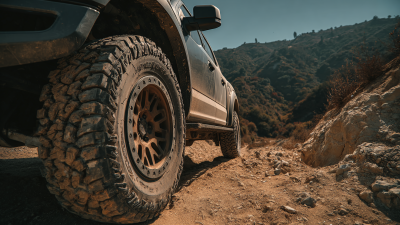
Driving conditions also play a significant role. For instance, off-road vehicles require larger tires for better traction. Conversely, city cars benefit from smaller tires to improve maneuverability. A study from the Tire and Rim Association indicates that tire width can impact handling. Wider tires may offer more grip, but they can also increase rolling resistance.
**Tips:** Always consult your vehicle's manual for the recommended tire sizes. Consider seasonal changes as well; winter tires may differ in size from summer tires. Reflect on what suits your driving style best—safety should never be compromised for aesthetics. Proper selection not only enhances performance but can also prolong tire life, reducing overall costs.
Global Variations in Tire Sizes: A Regional Comparison
Understanding tire sizes is vital for car buyers worldwide. Tire sizes can significantly differ based on regional preferences and vehicle types. For instance, the North American market often prefers larger wheels, averaging 17-20 inches for sedans. In contrast, European buyers frequently opt for medium-sized tires, typically ranging from 15-17 inches. According to a recent report by the Tire Industry Association, approximately 40% of tires sold in Europe fall within this smaller range.
Tire size variations reflect different driving conditions and regulations. In Asia, compact vehicles dominate, leading to smaller tire sizes under 15 inches. Conversely, government policies in some regions promote larger, fuel-efficient tires. Adapting to local standards is essential for buyers, especially when switching vehicles internationally.
Tip: Always check your car's manual for accurate tire recommendations.
Tire sizes impact performance and safety. Wider tires might improve grip but can reduce fuel efficiency. Additionally, changing tire sizes affects speedometer accuracy. Each region has standards that typically balance performance and safety effectively.
Tip: Consider climate when selecting tire sizes and types.
Research shows that informed decisions on tire sizes lead to enhanced vehicle longevity and drivability. Neglecting these facts may result in inconsistencies and potential hazards. Recognizing these global variations can enhance your purchasing journey.
Tips for Buying Tires: Ensuring Compatibility and Safety
When buying car tires, compatibility is crucial. One must regard the vehicle's specifications before making a decision. Each car model has a specific tire size that ensures optimal performance. Using the wrong size can lead to uneven wear and safety issues. Therefore, always check the owner’s manual for the recommended tire size.
Safety is equally important. Worn-out tires can severely impact vehicle handling. Inspect the tread depth regularly. If you can't see the tread clearly, it may be time for a replacement. Look for visible cracks or bulges on the tire surface. These signs indicate potential problems. Remember, your tires are the only contact point with the road. If they fail, the consequences can be serious.
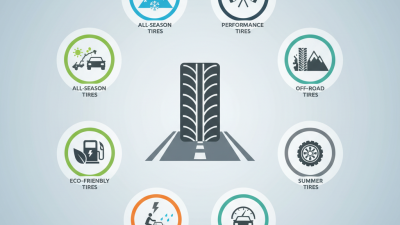
Consider the climate and driving conditions, too. Different tires perform better in specific environments. For example, winter tires provide better traction on snow and ice. Conversely, summer tires excel in warmer, drier conditions. Research shows that selecting the right tire type improves safety and comfort. However, many drivers often overlook this detail. Reflect on your driving habits and make informed choices for better performance.
2026 Best Car Tire Size Guide for Global Buyers
| Tire Size |
Compatibility (Vehicle Type) |
Tread Type |
Seasonality |
Recommended PSI |
| 205/55R16 |
Sedans, Compacts |
All-Season |
All-Season |
32 PSI |
| 225/65R17 |
SUVs, Crossovers |
All-Terrain |
All-Season |
30 PSI |
| 245/75R16 |
Trucks, SUVs |
Mud-Terrain |
All-Year |
35 PSI |
| 195/65R15 |
Compact Cars |
Performance |
Summer |
30 PSI |
| 255/40R18 |
Sports Cars |
Ultra-High Performance |
Summer |
32 PSI |